








Installing a Hydro Testing Machine for Pipe — whether it’s for a production line, QC lab, or industrial workshop — is more than just “unboxing and plugging in.” It’s a series of steps that ensure safety, accuracy, and long-term performance. Get this right, and your pipeline pressure testing will be efficient and reliable for years to come. Miss a key step, and you risk inaccurate results, downtime, or even equipment damage.
In this article, we’ll walk through what you can realistically expect when installing a new Hydro Testing Machine for Pipe in 2026 — based on industry practice, practical installation steps, and real-world experiences.
1. Prepare the Installation Site
Before your Hydro Testing Machine for Pipe even arrives, make sure the site is ready.
Stable Floor: Heavy machines need flat, level ground.
Power Supply: Check voltage, phase, and grounding requirements.
Water Source: A dedicated water feed makes pressure testing faster.
Drainage Area: Test water must go somewhere safe after testing is complete.
In many pipe pressure tests, technicians fill pipe sections with water to entirely displace air — since water is almost incompressible. This makes hydro tests safer than air tests, but also means you need reliable drainage and containment around the testing area.
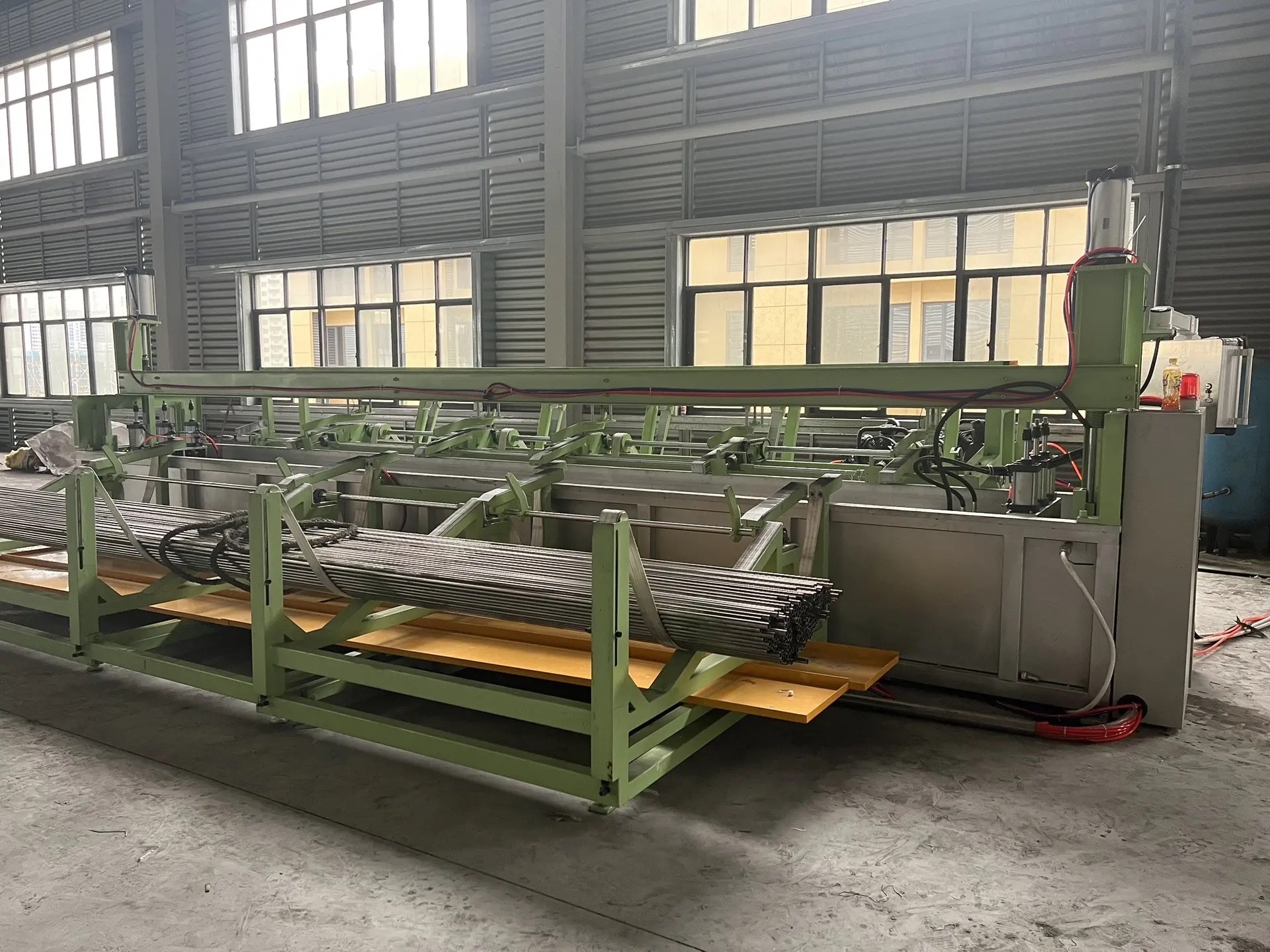
2. Unpacking and Inspecting the Equipment
Once your Hydro Testing Machine for Pipe arrives:
-
Inspect for transit damage
-
Check all accessories (hoses, clamps, gauges, manuals)
-
Confirm calibration certificates for gauges and pressure sensors
-
Make sure parts like seals and pumping systems are included
This initial inspection helps catch missing components before you begin setup.
3. Assembling Connections and Piping
During installation, technicians will connect your Hydro Testing Machine for Pipe to:
-
The pipe section being tested
-
A water reservoir or pump source
-
Pressure sensors and gauges
-
Safety relief valves
Hydrostatic testing procedures usually require filling the pipe with water completely to avoid trapped air, since air compression can make tests dangerous and unreliable.
Pairing the tester with proper fittings and connections is essential. Loose connections or incompatible threads will cause leaks or inaccurate results.
4. Bleeding Air and Initial Filling
Before pressurizing, a key step is removing all air from the pipe system — often referred to as “bleeding.”
Why it matters:
Water can transmit pressure smoothly, while air can compress. If air is left inside the pipe, it affects test results and even safety.
Most professionals fill the system slowly from the lowest point while venting from the highest point until bubbles stop — a clear sign that air has been purged. Only then do they begin pressurization.
5. Step-By-Step Pressure Testing
Once filled with water, pressurization using your Hydro Testing Machine for Pipe is usually done in staged steps:
| Stage | Action |
|---|---|
| Initial Pressure | Slowly increase to 0.5× design pressure |
| Leak Check | Hold for ~10 minutes and inspect fittings |
| Full Required Pressure | Raise to test pressure (often 1.5× design pressure) |
| Hold Time | Maintain pressure for specified duration |
| Release | Slowly bleed down pressure |
Staged pressure increases reduce stress and help detect leaks early before the full pressure level is applied.
Throughout this process, technicians monitor pressure gauges and test for drops — a sign of leakage or connection issues.
6. Calibration and Accuracy Verification
Once installed and tested once, it’s a good idea to verify your Hydro Testing Machine for Pipe readings against known calibration standards.
Reliable press machines should hold pressure with minimal drop. Many modern machines also support digital data logging for compliance and record-keeping — especially useful for regulated or certified applications.
7. Safety Precautions and Barriers
Hydrostatic testing produces real pressure — and if something fails, there’s energy involved. Though water is considered safer than gas testing, you should still use:
-
Barrier shields
-
PPE (goggles, gloves)
-
Clear zone signs during testing
Technicians often set up exclusion areas just in case a section of pipe or a connection fails unexpectedly.
8. Post-Installation Training
A good supplier will offer operator training after installation. This is especially important for a Hydro Testing Machine for Pipe that has digital controls or PLC interfaces.
Training should include:
-
Operating instructions
-
Pressure control methods
-
Safety checks
-
Troubleshooting tips
Hands-on familiarity helps reduce errors and increases efficiency.
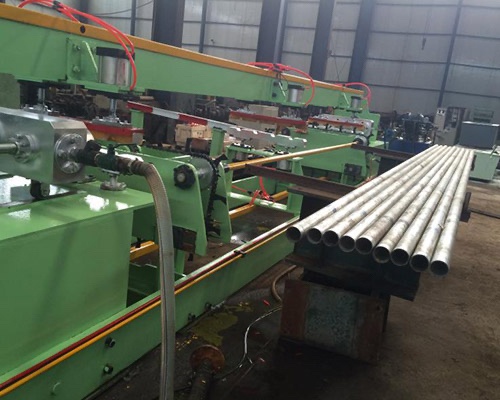
9. Documentation and Record Keeping
Good installations always end with documentation. This should include:
Factory calibration certificates
Installation checklists
Pressure testing records
Safety sign-off forms
These records are invaluable if you later need to prove compliance with your own internal standards or external regulatory requirements.
10. Common Installation Mistakes to Avoid
Here’s a quick look at what not to do when installing your Hydro Testing Machine for Pipe:
| Mistake | Why It’s a Problem |
|---|---|
| Skipping air bleeding | Leads to false pressure readings |
| Ignoring drainage setup | Can create unsafe wet floors |
| Rushing pressure increase | Risks component failure |
| Overlooking calibration | Can invalidate test data |
Avoiding these pitfalls makes your installation smoother and your test results more reliable.
Installing a Hydro Testing Machine for Pipe is not a task to be rushed. From preparing the site to verifying accuracy, each step ensures your tester works safely and effectively — not just now, but for years to come.
In 2026, many modern machines support automation and data recording — features that not only improve accuracy but also reduce manual errors during installation and testing. Investing time in proper setup pays dividends in reliability and peace of mind.