








If you’re running a seamless pipe mill, you already know this:
Testing is not a separate step
It’s part of the production line itself
And that’s exactly why more manufacturers are no longer buying standalone machines.They’re looking for a full Pipe pressure testing machine solution integrated into the seamless pipe production line
Because in real production:
❌ Standalone testing = bottleneck
✔ Integrated testing = efficiency + consistency
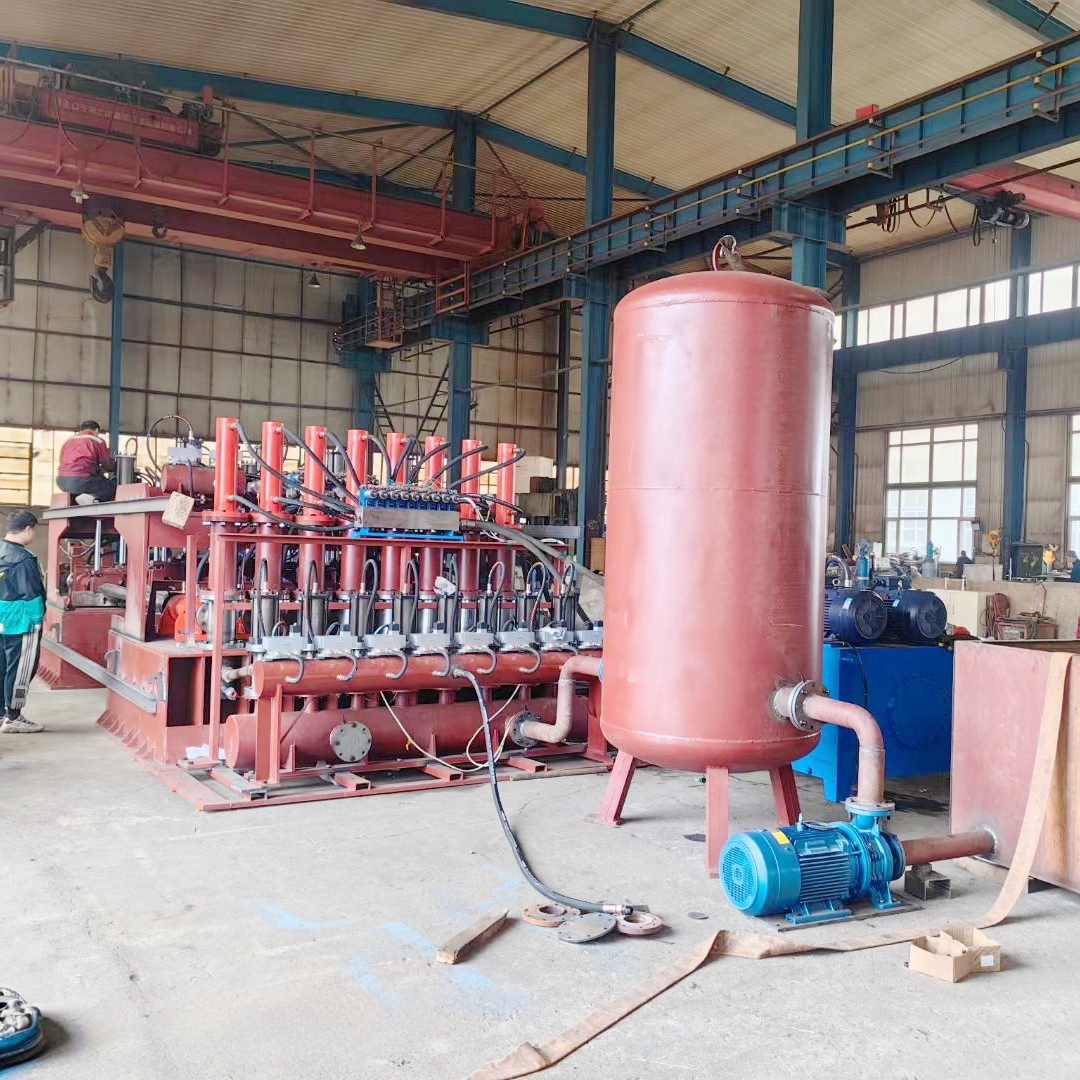
Why Seamless Pipe Production Requires a Full Testing Solution
Seamless pipes are widely used in:
- Oil & gas
- Boiler systems
- High-pressure pipelines
And even without welds, they still have risks:
- Internal defects
- Wall thickness variation
- Micro cracks
That’s why hydrostatic testing is mandatory to verify:
pressure resistance
sealing performance
structural integrity
What Is a “Full Solution” Pipe Pressure Testing Machine?
Let’s make this clear—this is not just a machine.A full solution means the Pipe pressure testing machine is fully integrated into your production line, including:
1. Automatic Pipe Handling System
- Pipe feeding (inlet conveyor)
- Positioning & alignment
- Automatic clamping
No manual handling = faster cycle time
2. Integrated Hydrostatic Testing Unit
This is the core:
- Water filling
- Air removal
- Pressure build-up
- Pressure holding
- Pressure release
A typical seamless pipe testing process includes:
- Filling → pressurization → holding → drainage → discharge
Fully automated sequence, not manual steps
3. Intelligent Control System (PLC + Data Recording)
Modern Pipe pressure testing machine systems include:
- Real-time pressure curve monitoring
- Automatic judgment (pass/fail)
- Data storage & printing
This is critical for:
- API / ASTM compliance
- Export documentation
4. Drying & Discharge System
After testing:
- Internal drying (air or nitrogen)
- Automatic pipe output
Prevents corrosion and prepares pipes for next process
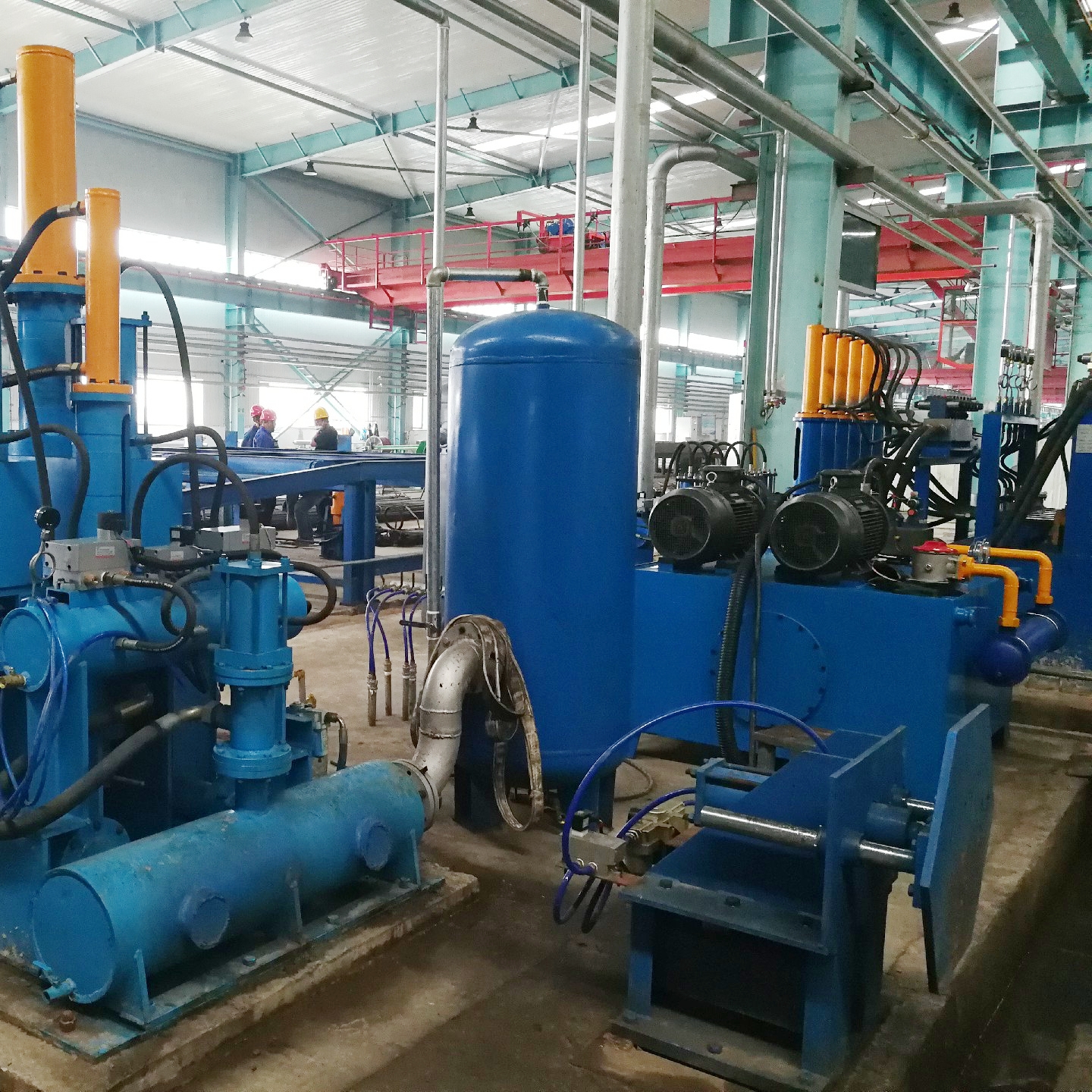
Typical Layout of a Seamless Pipe Testing Line
A real production line usually looks like this:
Pipe Feeding → Cleaning → Testing Machine → Pressure Test → Drainage → Drying → Output
This continuous flow is what turns a Pipe pressure testing machine into a production solution
Key Technical Parameters
Here’s what most seamless pipe mills are actually using:
| Parameter | Typical Range |
|---|---|
| Pressure range | 10–130 MPa |
| Pipe diameter | Φ20–Φ711 mm |
| Pipe length | 6–12 m |
| Testing mode | Single station / inline |
| Control system | PLC + computer |
Industrial machines can reach up to 130 MPa pressure for seamless pipe testing
Standalone Machine vs Full Solution
| Factor | Standalone Machine | Full Solution System |
|---|---|---|
| Operation | Manual handling | Fully automatic |
| Efficiency | Low | High |
| Labor cost | High | Low |
| Data tracking | Limited | Full traceability |
| Production flow | Interrupted | Continuous |
This is why most modern mills are upgrading.
Real Factory Insight
A lot of factories think:
“We already have a Pipe pressure testing machine, why upgrade?”
But in reality:
- Pipes queue before testing
- Operators manually load/unload
- Testing becomes the slowest step
Result:
- Production bottleneck
- Inconsistent efficiency
What happens after integration?
Factories that switch to full solution systems typically see:
- 30–50% increase in throughput
- Reduced labor cost
- More stable testing results
(Not from theory—this is what actually happens on production lines)
What to Focus on When Choosing a Full Solution
If you’re planning to invest, don’t just look at the machine.
Focus on the entire system capability:
✔ Line Integration Ability
Can it connect with your:
- straightening machine
- cutting line
- finishing system
✔ Sealing Technology
Especially important for seamless pipes:
- End-face sealing
- Internal sealing
Directly affects leakage rate
✔ Pressure Stability
Not max pressure—stable pressure holding
✔ Data System
Without data recording:
You can’t meet many international standards
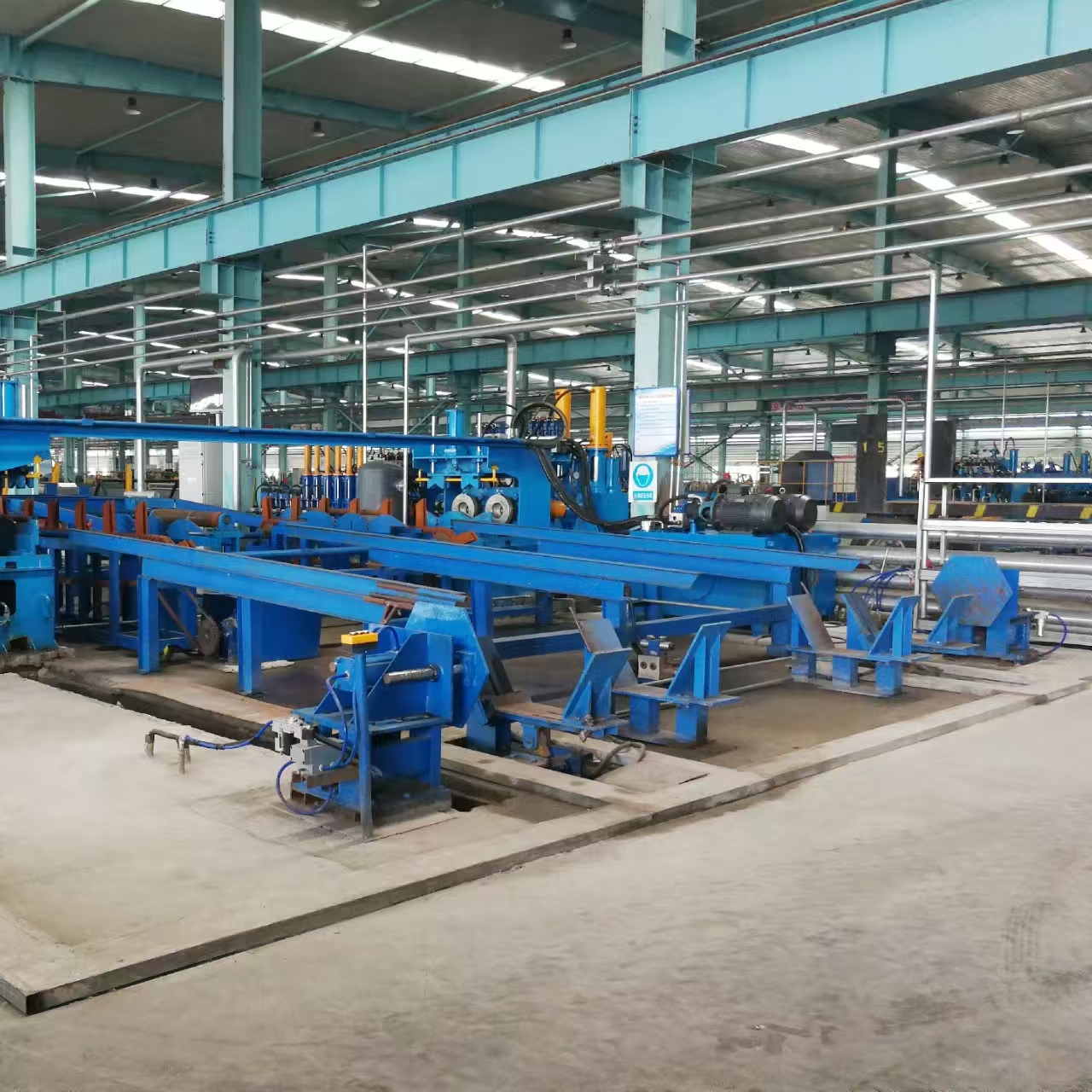
Cost Reality
A full Pipe pressure testing machine solution is not cheap.
But here’s the real comparison:
- Standalone machine → lower cost, lower efficiency
- Full solution → higher cost, much higher output
In production terms:
You’re not buying a machine
You’re buying production capacity
Final Thoughts
If you’re producing seamless pipes:
Testing is not optional
Efficiency is not optional
So the question is no longer:“Do you need a Pipe pressure testing machine?”
But:
“Do you need a machine—or a complete testing solution?”
Because in modern pipe manufacturing,the companies that integrate testing into the line are the ones that scale