







As steel pipe production moves toward higher output and more automated handling, hydrostatic testing can become a production bottleneck. A single testing station may work well for small batches, but its cycle can become difficult to match when pipes are continuously entering the line.
This is where a multi-station steel pipe hydrostatic testing machine can make a practical difference.
The purpose of multiple stations is not simply to add more testing heads. The main advantage is that different pipes can move through different stages of the testing cycle at the same time. While one pipe is under pressure, another can be positioned or prepared for testing.
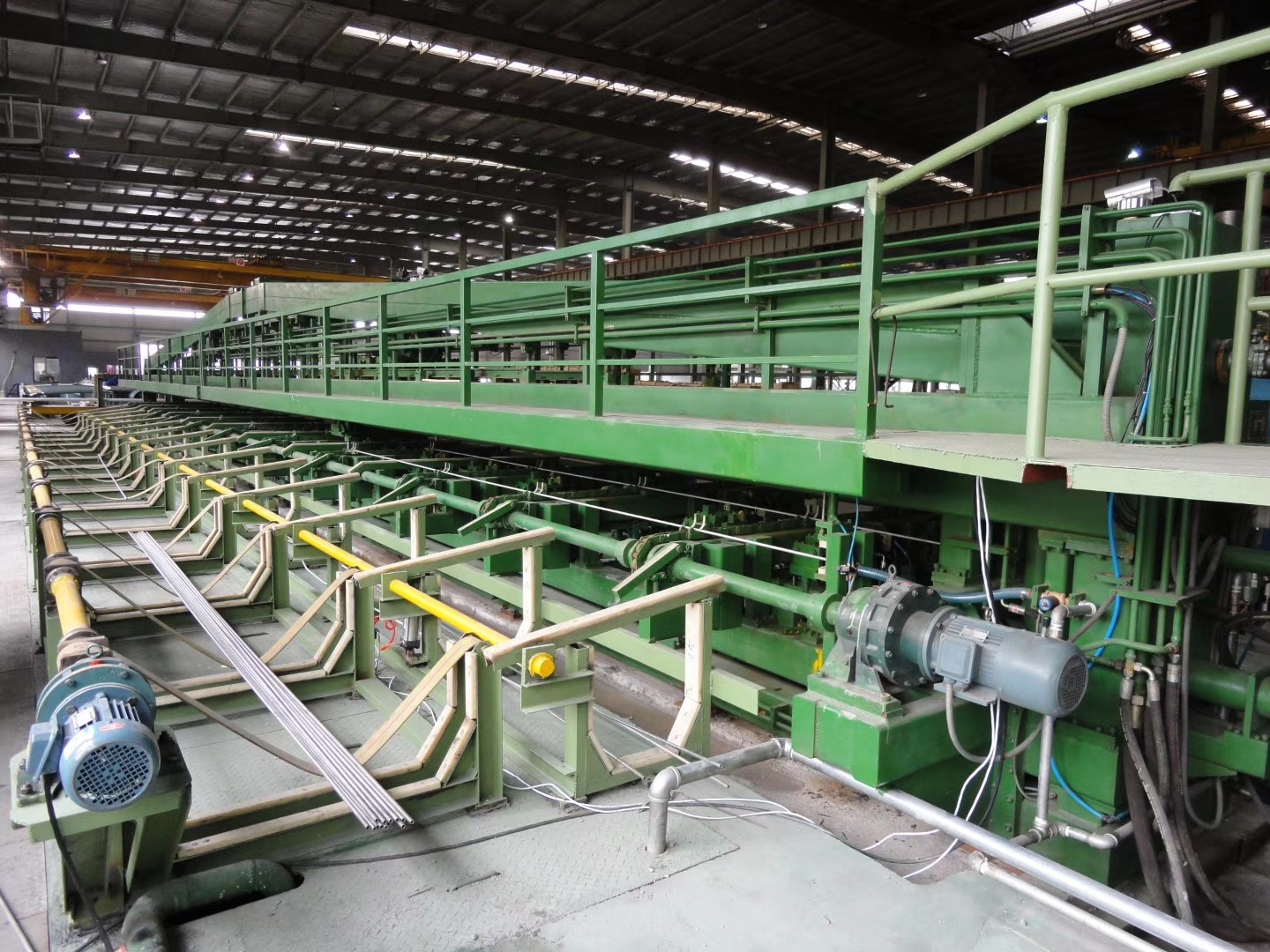
Why Multi-Station Testing Matters in High-Volume Production
A steel pipe hydrostatic test normally involves several operations:
Loading → Positioning → Sealing → Filling → Air Venting → Pressurization → Holding → Pressure Release → Drainage → Unloading
These operations do not take the same amount of time. Pressure holding may keep one testing position occupied while other mechanical operations could already be preparing the next pipe.
A multi-station arrangement allows these operations to overlap where the machine design permits it.
|
Production situation |
Suitable approach |
|
Small batch production |
Single station may be sufficient |
|
Continuous pipe production |
Multi-station can reduce testing bottlenecks |
|
Long pressure-holding cycle |
Parallel stations can improve utilization |
|
High-volume production |
Automated multi-station layout is often more suitable |
|
Frequent pipe-size changes |
Station and sealing configuration need careful planning |
The actual benefit depends on the complete cycle. Increasing pump capacity alone does not necessarily increase output if pipe positioning, sealing or drainage is taking longer than the pressure test.
What We Consider When Configuring the Machine
At Marley Machinery, we start with the customer's pipe and production requirements rather than selecting a station number first.
The main information includes pipe diameter, length, wall thickness, test pressure, pipe-end condition, holding time, production volume and the number of pipe sizes to be tested.
For a production line with a narrow range of pipe sizes and high output, dedicated station configurations can make sense. When the diameter range is wider, the sealing system and changeover method become more important.
|
Configuration factor |
Why it matters |
|
Pipe diameter |
Determines sealing and positioning requirements |
|
Pipe length |
Affects transfer and machine layout |
|
Test pressure |
Determines hydraulic and sealing requirements |
|
Holding time |
Influences station utilization |
|
Pipe-end condition |
Affects sealing arrangement |
|
Production volume |
Helps determine the required number of stations |
|
Size changes |
Influences tooling and changeover design |
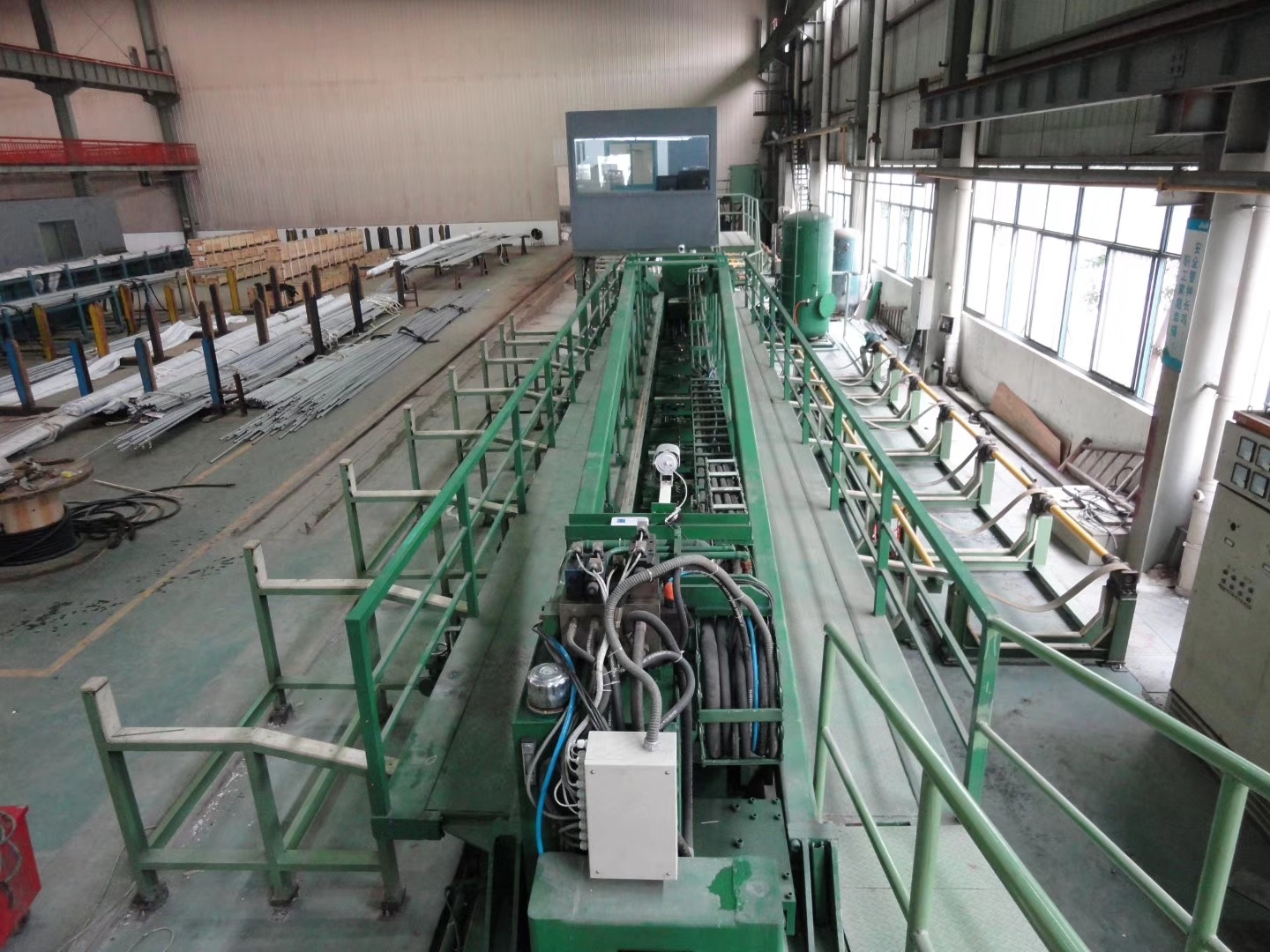
Pressure Testing Is Only One Part of the Production Cycle
A high-pressure pump is important, but it is not the whole machine.
A multi-station steel pipe hydrostatic testing machine may integrate high-pressure pumps, energy-storage tanks, injection valves, air-release valves, pressure sensors, sealing devices, hydraulic cylinders, pipe transfer systems and PLC/HMI control.
The control system coordinates the stations so that filling, pressurization, pressure holding, pressure release and drainage take place in the correct sequence.
For high-volume production, stable operation is often more valuable than simply specifying a higher maximum test pressure. Poor air removal, unstable pressure control or slow sealing can affect the real production cycle even when the hydraulic system has sufficient pressure capacity.
Marley Machinery's Approach
At Marley Machinery, we configure hydro testing machines for pipe according to the customer's actual production conditions.
For multi-station equipment, we pay particular attention to station utilization, pipe transfer, sealing time, changeover requirements and the relationship between testing and upstream or downstream production operations.
Depending on the application, the machine can be configured with automatic or semi-automatic handling, hydraulic cylinders, transverse chain conveyors, high-pressure pumping systems, sealing devices, PLC control and HMI monitoring.
The number of stations is determined from the required production cycle rather than simply adding stations to increase the specification.